
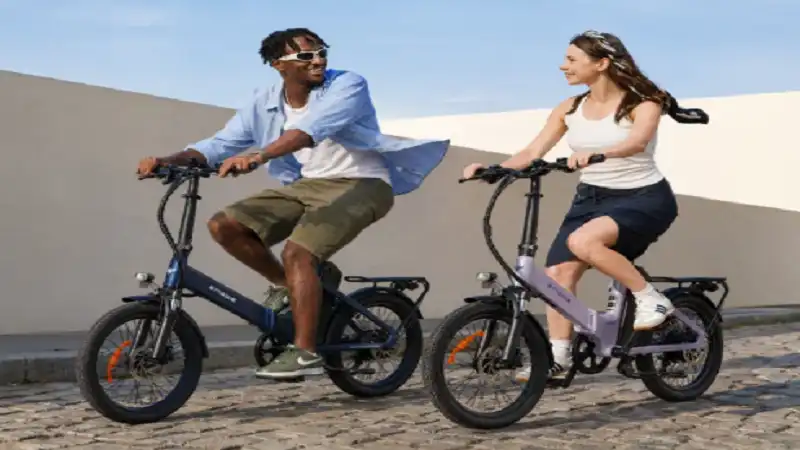
Daily commuting can become stressful when you have to deal with traffic, expensive fuel, crowded public transportation, and limited parking. An electric bicycle offers a practical alternative for many everyday journeys. Combining traditional cycling with motor-assisted pedaling, an electric bike can make commuting more comfortable while helping riders stay active.
Whether you travel to work, school, shops, or other regular destinations, there are several reasons why an electric bike can be a useful transportation option.
1. Makes Commuting Easier
One of the biggest benefits of an electric bicycle is the assistance provided by its motor. Instead of relying entirely on physical effort, riders can use different assistance levels to make their journey easier.
This can be particularly helpful when traveling uphill, riding against strong winds, or covering longer distances. You still pedal while receiving additional support from the motor, allowing you to arrive at your destination with less physical strain.
For commuters who find traditional cycling too demanding for daily use, an electric bike can provide a more manageable experience.
2. Helps Save Time
Traffic congestion can make driving unpredictable, especially during busy commuting hours. An electric bicycle can provide greater flexibility on many urban routes and may allow riders to avoid some of the delays associated with congested roads.
Cyclists can often take dedicated cycling routes or quieter streets, depending on local infrastructure and regulations. Because an electric bike does not require searching for a parking space at the end of every journey, it can also make door-to-door travel more convenient.
Planning your route in advance can help you identify safe and efficient roads for daily commuting.
3. Reduces Transportation Costs
Using an electric bicycle regularly can help reduce some of the costs associated with car-based commuting. You do not need gasoline or diesel, and electricity used for charging is generally a relatively small part of the overall operating cost.
An electric bicycle also does not require many of the expenses associated with owning a car, such as fuel, parking, and certain routine maintenance costs.
While an electric bike has an upfront purchase price and requires ongoing maintenance, frequent riders may find it economical for short and medium-distance journeys.
4. Encourages Physical Activity
Although an electric bicycle includes motor assistance, riders still have to pedal. This means commuting by e-bike can encourage physical activity without requiring the same level of effort as conventional cycling.
The assistance level can often be adjusted according to the rider’s preferences and the terrain. You can choose more assistance when climbing hills and reduce assistance when you want to pedal more actively.
This flexibility makes an electric bicycle appealing to people with different fitness levels.
5. Makes Longer Journeys More Practical
Distance can be one of the biggest barriers to traditional bicycle commuting. A journey that feels too long on a standard bike may become more manageable with an electric bike.
Motor assistance can help reduce fatigue over longer distances, allowing riders to consider cycling routes they might otherwise avoid. A suitable battery capacity is important for longer commutes, so check the manufacturer’s estimated range and consider factors such as terrain, rider weight, speed, and assistance level.
Choosing a battery that comfortably covers your typical journey can make daily use much more convenient.
6. Easier to Handle Hills
Hilly routes can make conventional cycling challenging, particularly for riders who are commuting every day. An electric bicycle can provide additional assistance when climbing slopes.
Instead of avoiding routes because of difficult terrain, riders can use the motor to make hills more manageable. This can expand the number of practical commuting routes available.
However, motor performance varies between models, so riders who live in hilly areas should pay close attention to motor specifications and overall bike design.
7. Convenient for Everyday Errands
An electric bike is not limited to commuting between home and work. It can also be useful for shopping, visiting friends, collecting small packages, or traveling to nearby locations.
Models equipped with racks, baskets, or other carrying accessories can make everyday errands more convenient. Folding electric bicycles can also be useful for people with limited storage space.
Choosing a design based on your daily activities can help you get more value from your bike.
8. Easier Parking and Storage
Finding a suitable parking space can be frustrating in busy areas. An electric bicycle generally requires significantly less parking space than a car.
Depending on local rules and available facilities, you may be able to store your bike in a designated bicycle parking area or secure it at an appropriate location. At home, compact or folding models can make storage easier.
Always use a suitable lock and follow local parking and cycling regulations.
9. Offers a Flexible Riding Experience
Another advantage of an electric bicycle is the ability to control how much assistance you receive. Riders can increase assistance when they are tired or facing challenging terrain and reduce it when they want more exercise.
This flexibility can make an electric bike suitable for different types of trips throughout the day.
Final Thoughts
An electric bike can offer a convenient and flexible solution for daily commuting. From reducing physical strain and transportation costs to making longer journeys and hills easier, motor-assisted cycling can make everyday travel more practical.
Before buying an electric bicycle, consider your typical commuting distance, terrain, battery range, motor performance, comfort, storage requirements, and safety features. With the right model and responsible riding habits, an electric bicycle can become a valuable part of your daily transportation routine. See more