
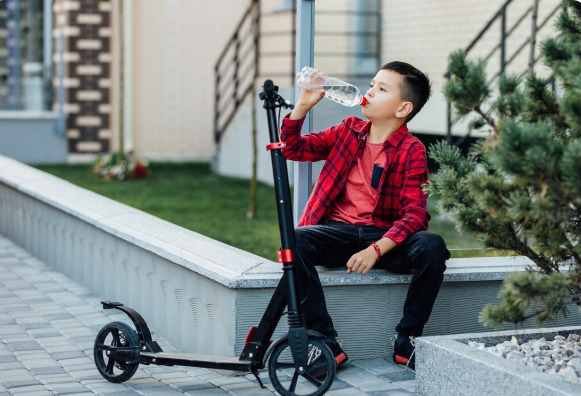
Buying a first electric scooter for a child is an exciting milestone, but it also comes with a level of responsibility that goes beyond simply picking a colourful model with an appealing design. Unlike a traditional push scooter, an electric version is a motorised vehicle capable of reaching speeds that can genuinely surprise a young rider who hasn’t yet developed the reflexes or judgement to handle sudden hazards. Understanding which safety features actually matter can help parents make a far more informed decision.
Speed Limiting and Adjustable Modes
One of the most important features to look for is a properly limited top speed, ideally one that can be adjusted as the child gains confidence and experience. Many models designed specifically for younger riders cap their speed somewhere between 6 and 12 kilometres per hour, which is enough to be genuinely fun without becoming unmanageable. Scooters with multiple speed modes are particularly useful, since they allow parents to restrict performance during the first few outings and gradually increase it as the child demonstrates better control. A scooter that only offers a single, fixed top speed removes this flexibility entirely, which can be a real drawback during the learning phase.
Braking Systems Suited to Young Riders
Braking performance deserves close attention, since children generally react more slowly to sudden obstacles than adults do. A responsive braking system that doesn’t require excessive hand strength to operate is essential. Many kids’ scooters combine a hand-operated brake with a rear foot brake, which tends to offer more reliable stopping power than a purely electronic brake, particularly in an emergency situation. Before letting a child ride unsupervised, it’s worth testing the braking distance in an open area, away from traffic or obstacles, to get a realistic sense of how the scooter behaves when it actually needs to stop quickly.
Build Quality Matched to the Child’s Size
A scooter sized for an adult is never appropriate for a child, even with the speed manually restricted. Handlebar height, deck width and overall weight should all correspond to the child’s build. A handlebar set too high forces an awkward, stretched riding posture that undermines balance, while a deck that’s too narrow reduces stability, especially when turning. Most manufacturers publish a recommended age range and height for each model, and these figures are worth following closely rather than relying purely on how appealing a design looks to a child.
Visibility in Low Light
Good visibility matters enormously, particularly during the darker months or when riding in the early evening. Front and rear lights, along with side reflectors, should be present and in good working order before any ride. Some kids’ scooters also include light-up wheels or deck elements, which, while primarily decorative, genuinely help drivers and other road users spot a young rider more easily, particularly at dusk.
A Sturdy, Stable Frame
Children tend to be far less gentle with their equipment than adults, whether that means dropping the scooter carelessly or riding over kerbs and uneven pavements without much thought. A sturdy frame, typically made from aluminium or a reinforced alloy, withstands repeated knocks far better than a rigid plastic construction. Wider wheels and even basic suspension help absorb minor bumps in the road, reducing the chance of a sudden loss of balance that could otherwise catch a young rider off guard.
Protective Gear Remains Essential
No safety feature built into the scooter itself replaces proper protective equipment. A well-fitted helmet is the single most important item, regardless of the child’s age or how experienced they are, and should be worn on every ride without exception. Knee and elbow pads are particularly useful during the early learning stages, when falls are more likely. It’s also worth dressing children in fitted rather than loose clothing, since trailing fabric can occasionally catch in the wheels or folding mechanism.
Supervision Still Matters, Even with a Safe Model
Finally, no combination of safety features entirely replaces adult supervision, particularly for younger or less experienced riders. It’s worth accompanying a child on their first few outings, choosing quieter, pedestrian-friendly areas such as parks rather than busy pavements, and explaining basic rules clearly: staying off the road, being considerate of pedestrians, and knowing exactly how the brake works before building up any real speed.
Conclusion: Safety Should Come First
Choosing an electric scooter for a child isn’t simply a matter of comparing colours and designs. It means checking that the model genuinely suits the child’s age, height and level of experience, while also confirming that the built-in safety features are up to standard. Combined with proper protective gear and attentive supervision, the right scooter can offer a genuinely enjoyable and reassuringly safe introduction to electric riding.
Parents looking for a model that ticks these boxes can browse a dedicated range of electric scooter for kids to compare options suited to different ages and abilities.